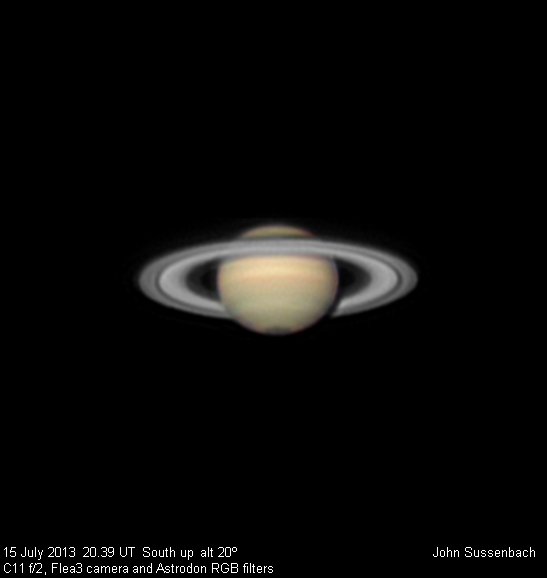
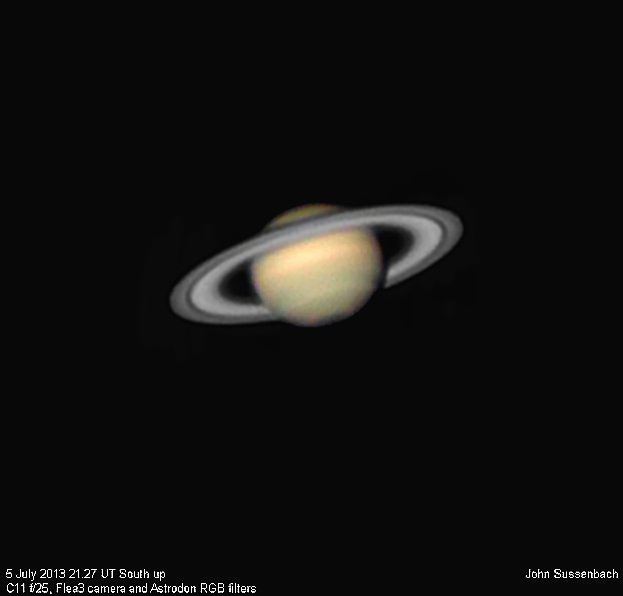
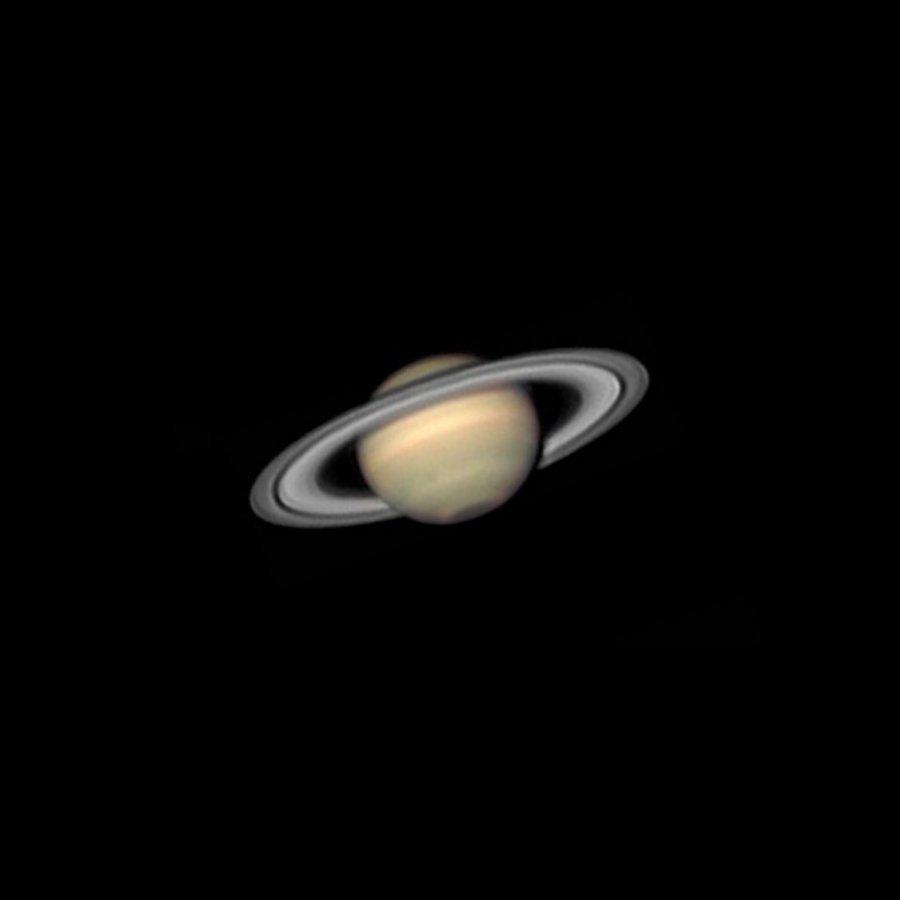
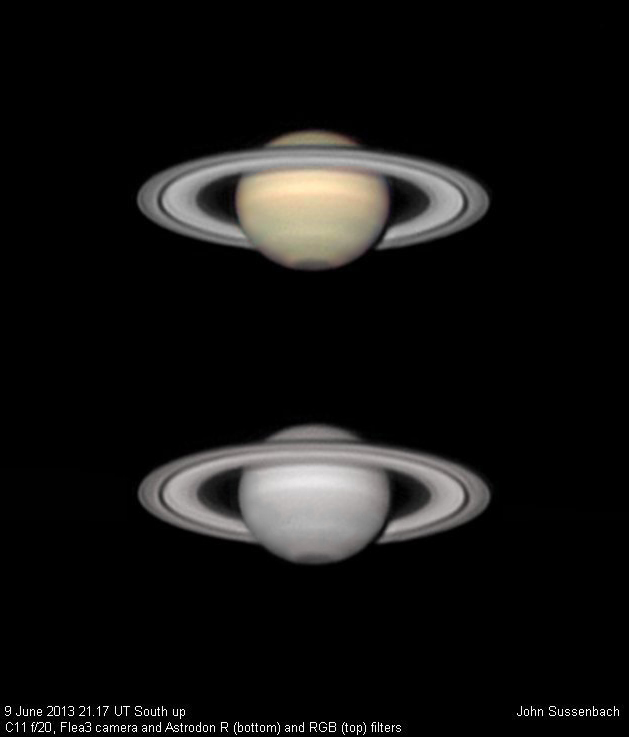
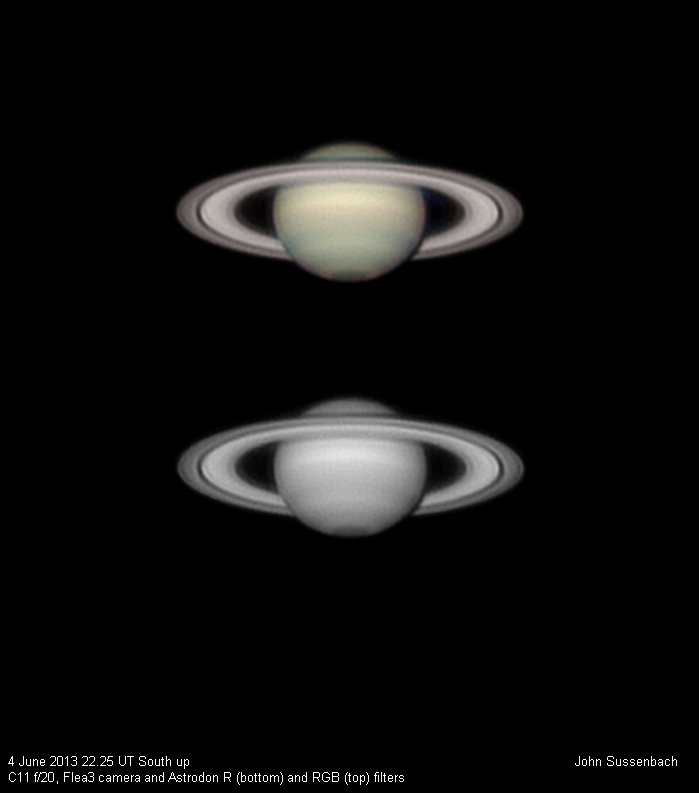
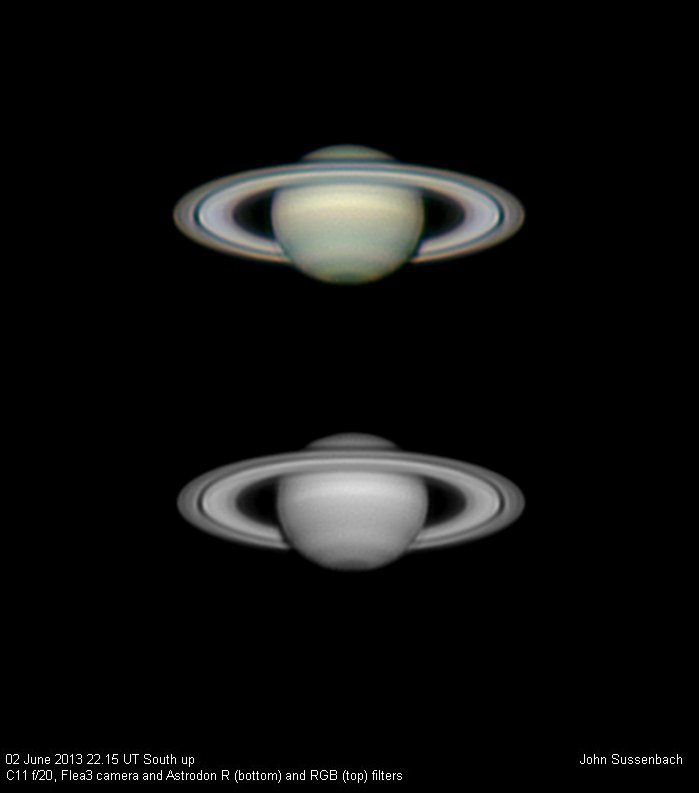
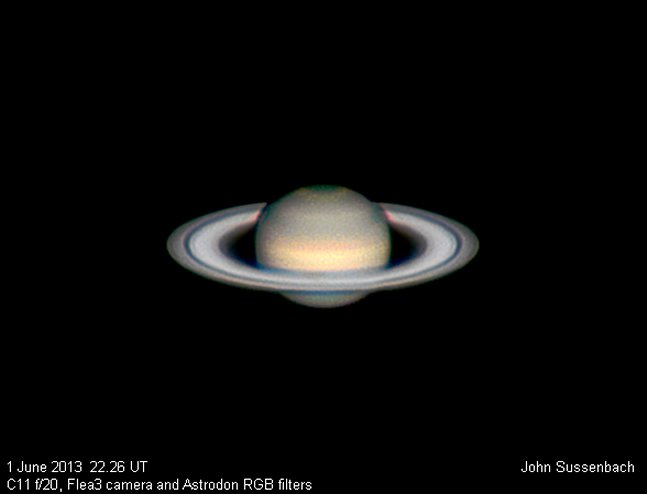
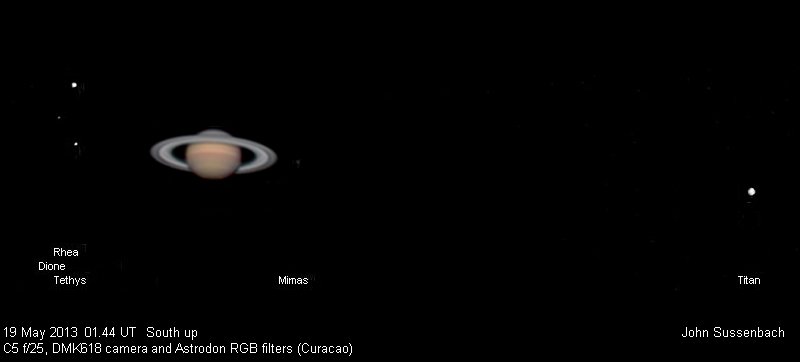
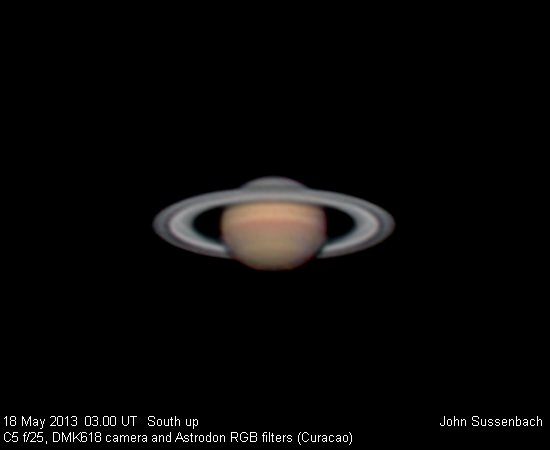
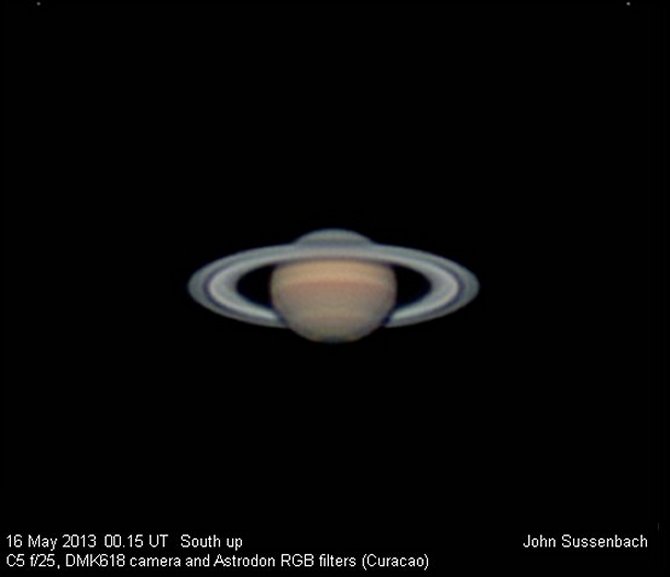
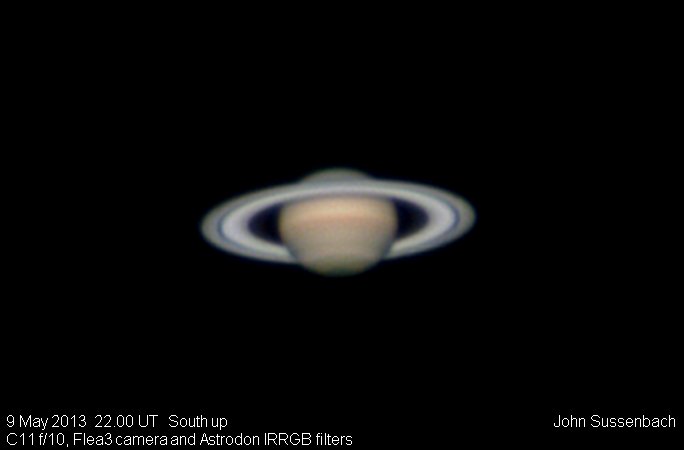
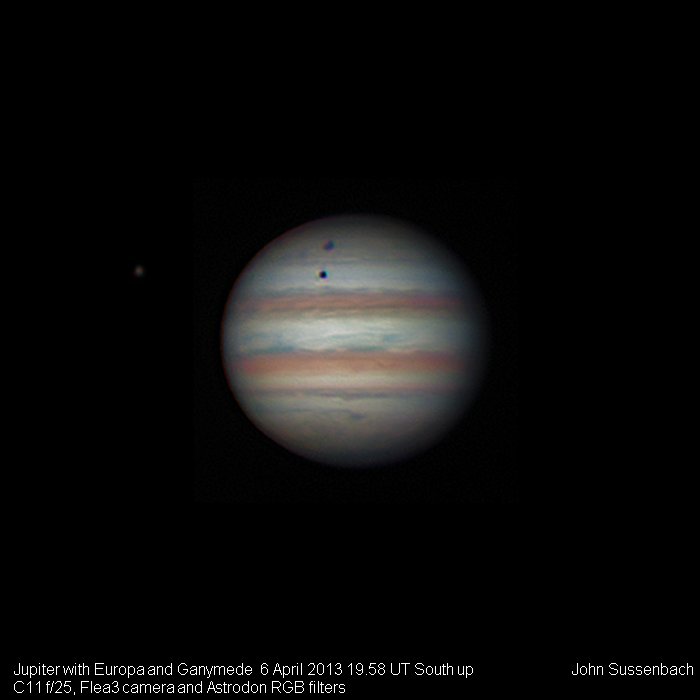
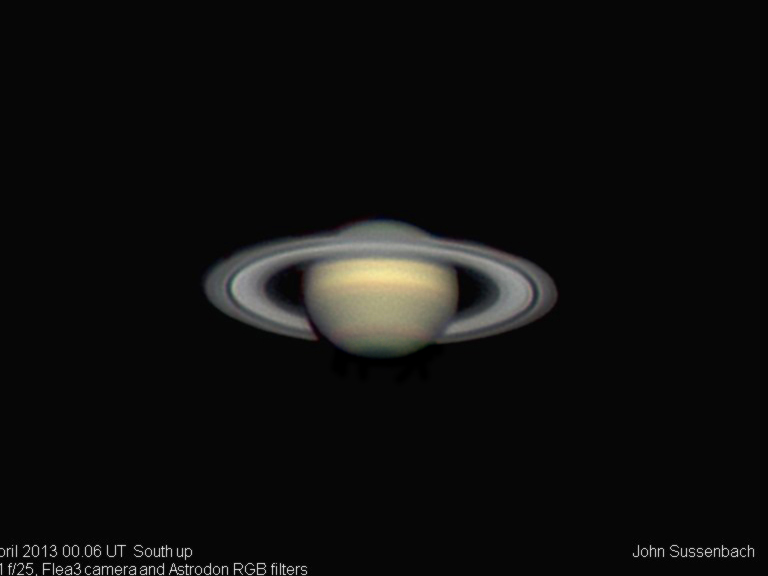
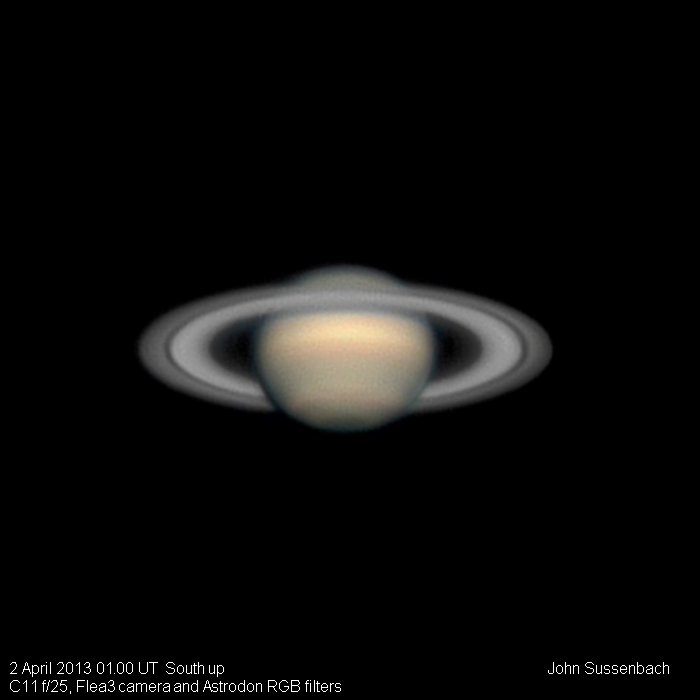
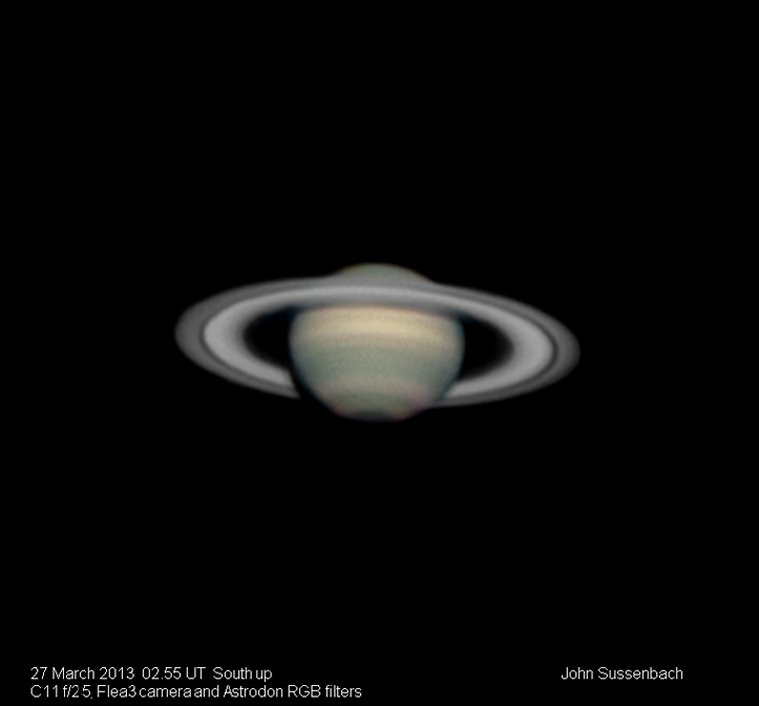
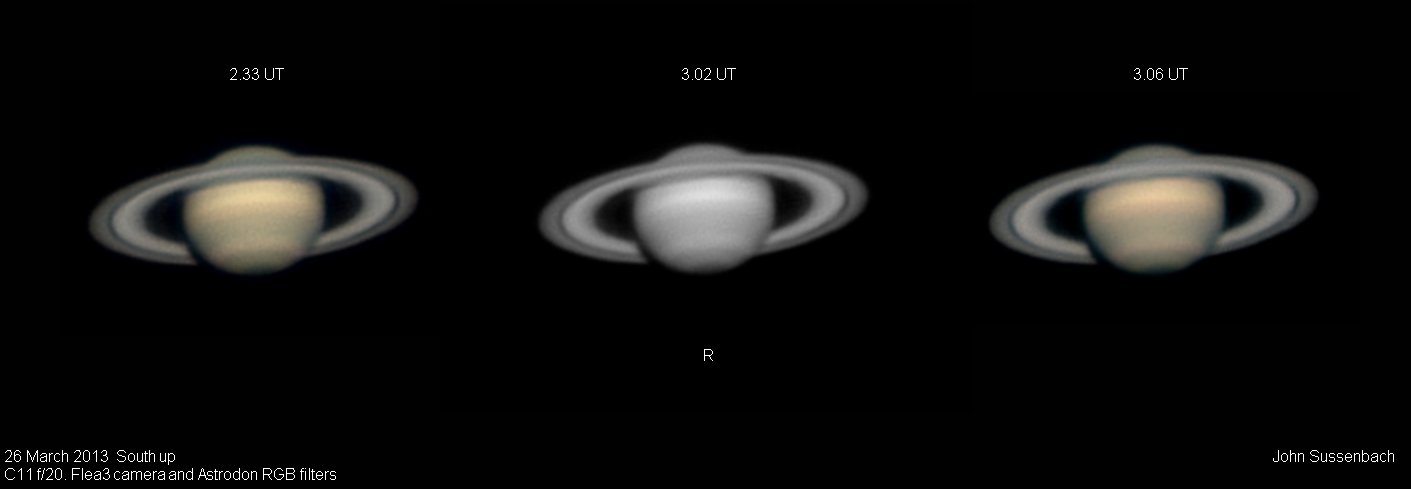
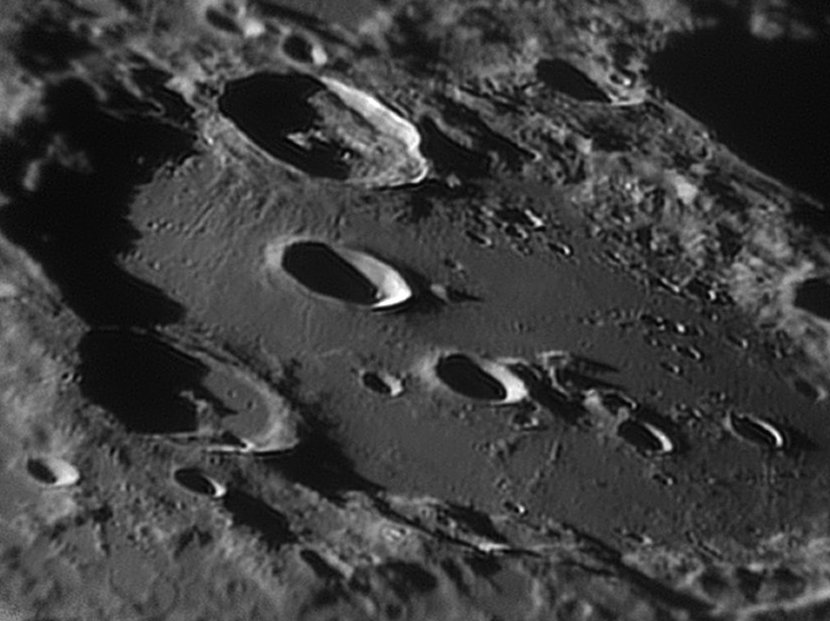
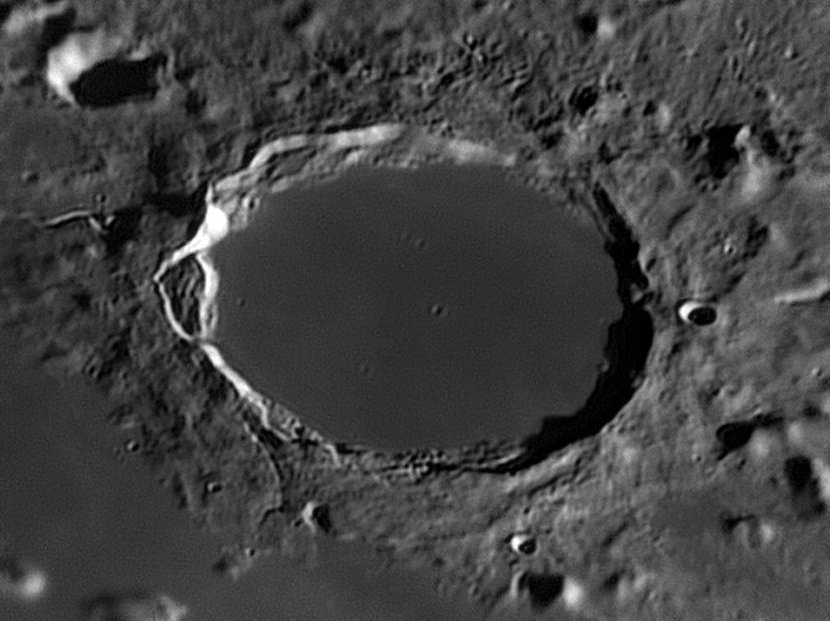
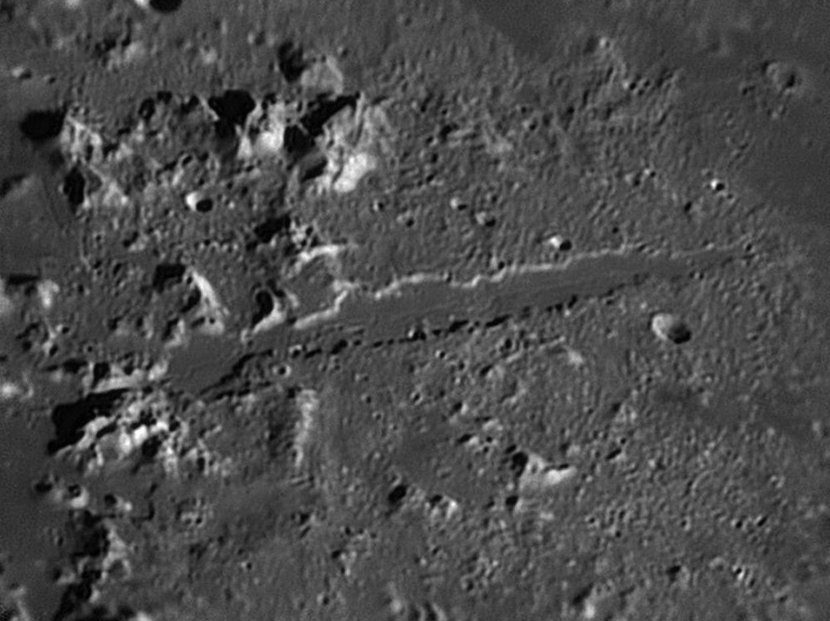
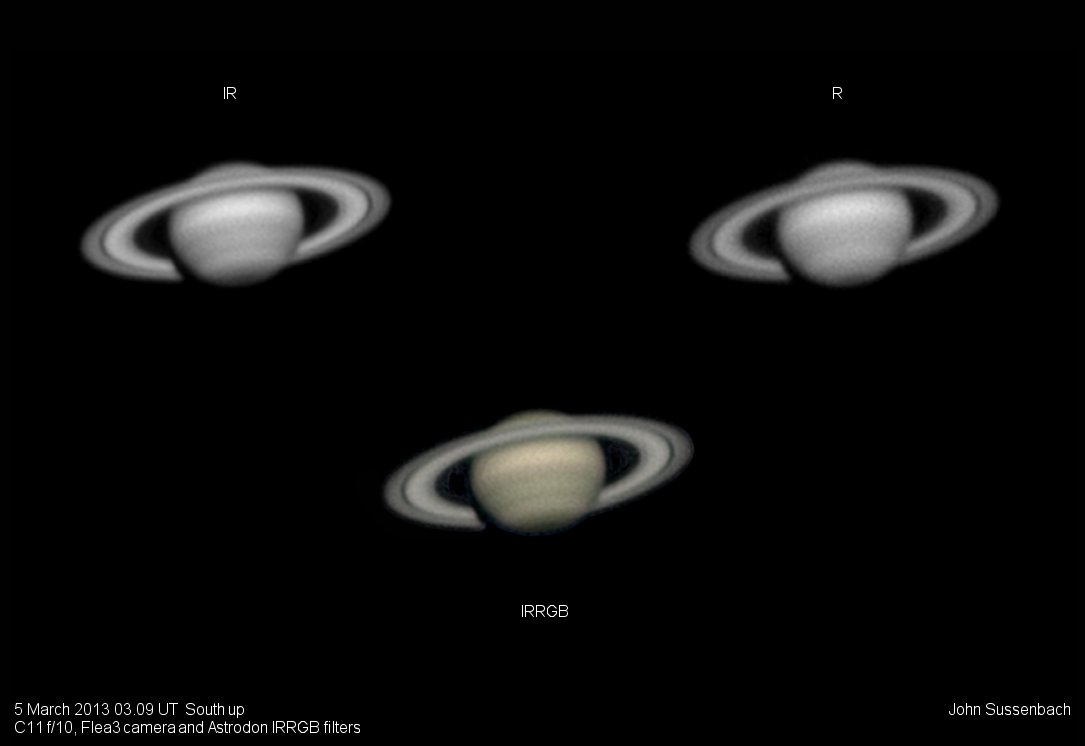
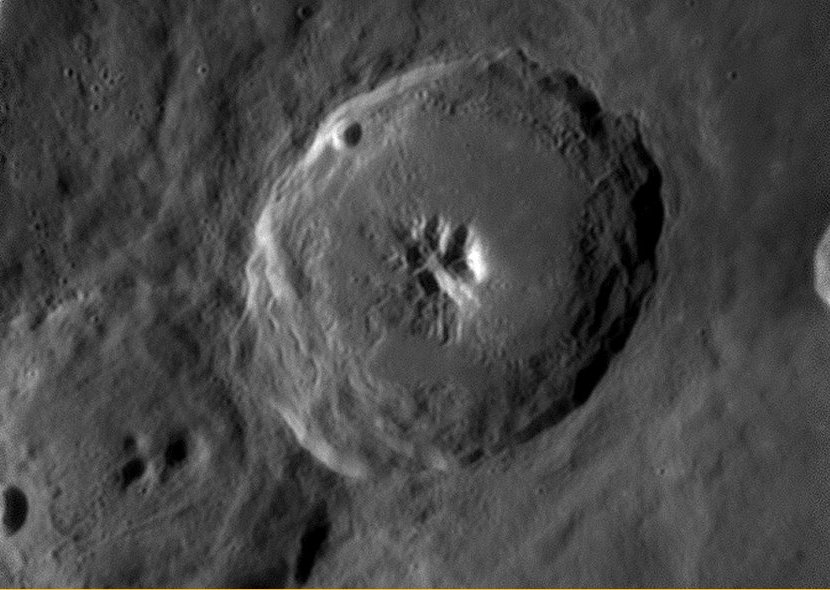
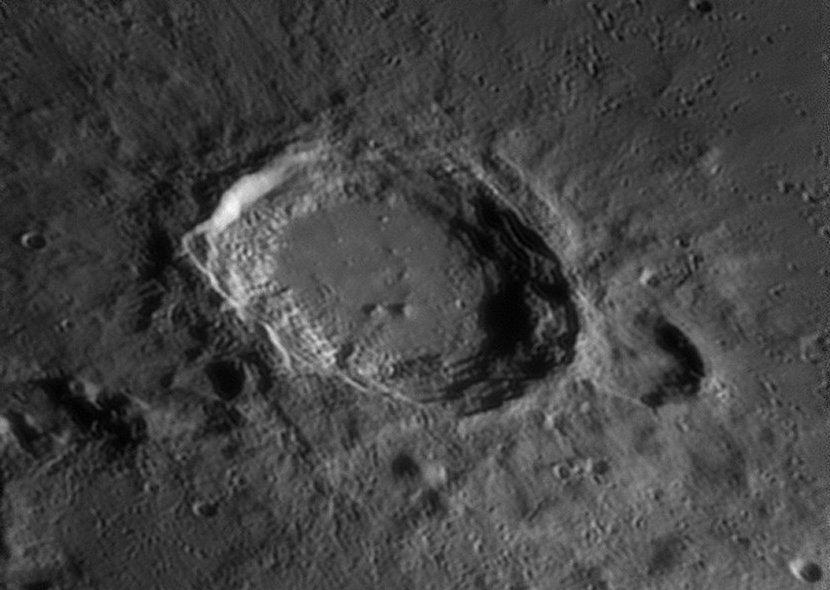
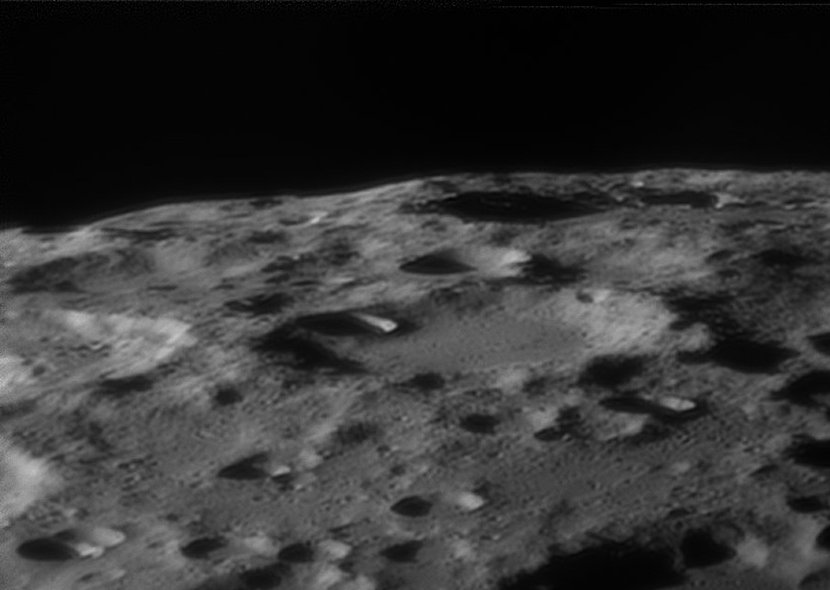
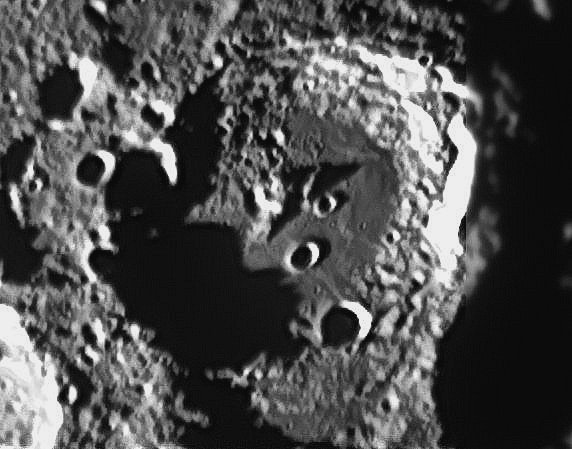
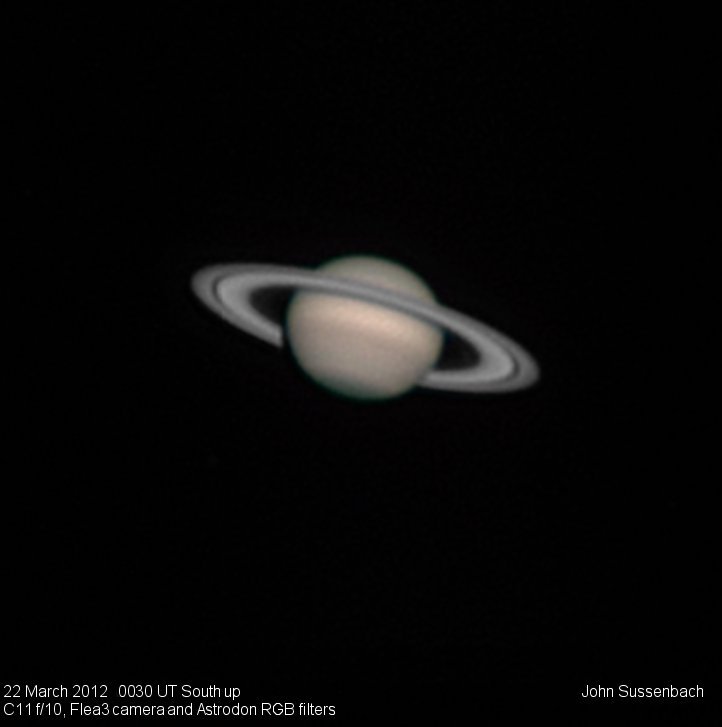
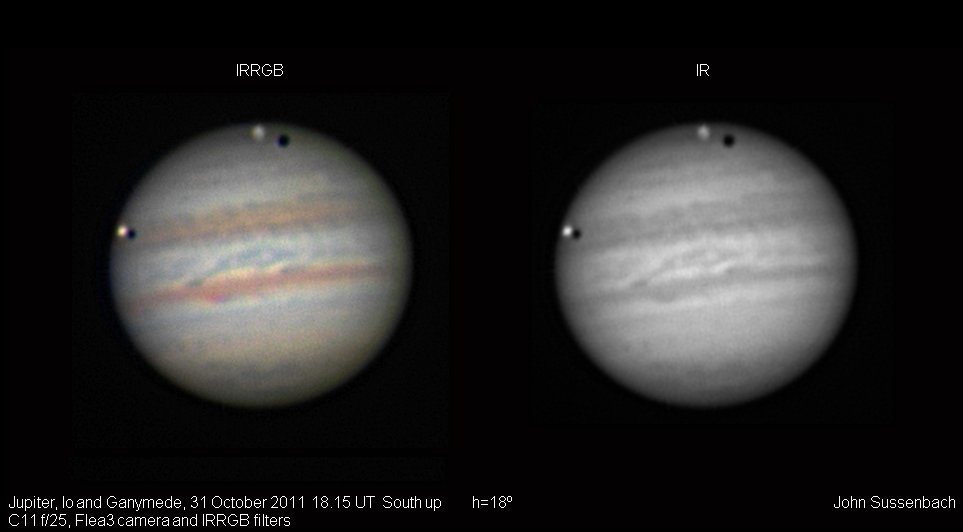
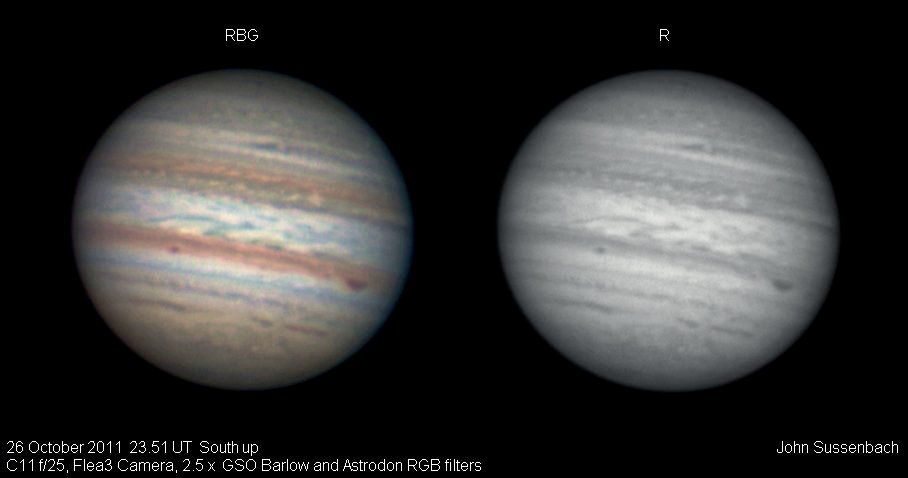
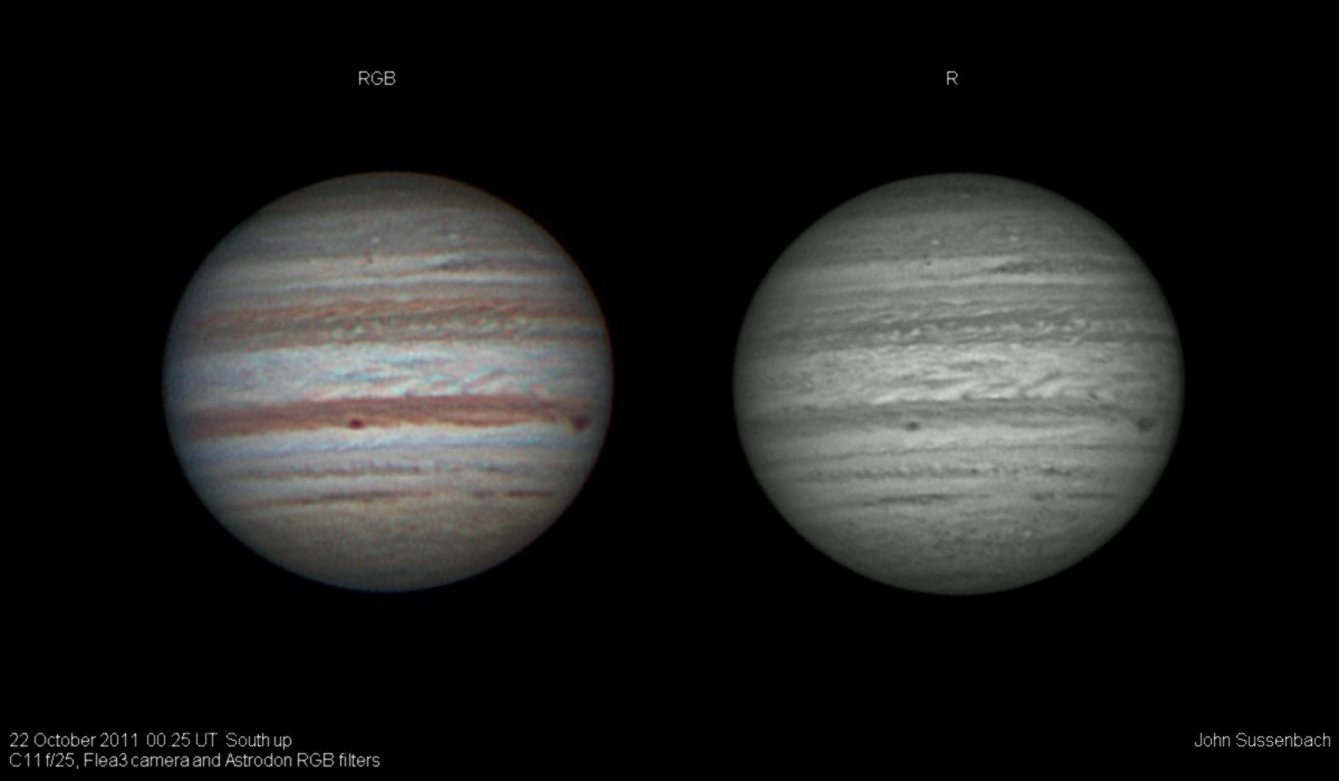
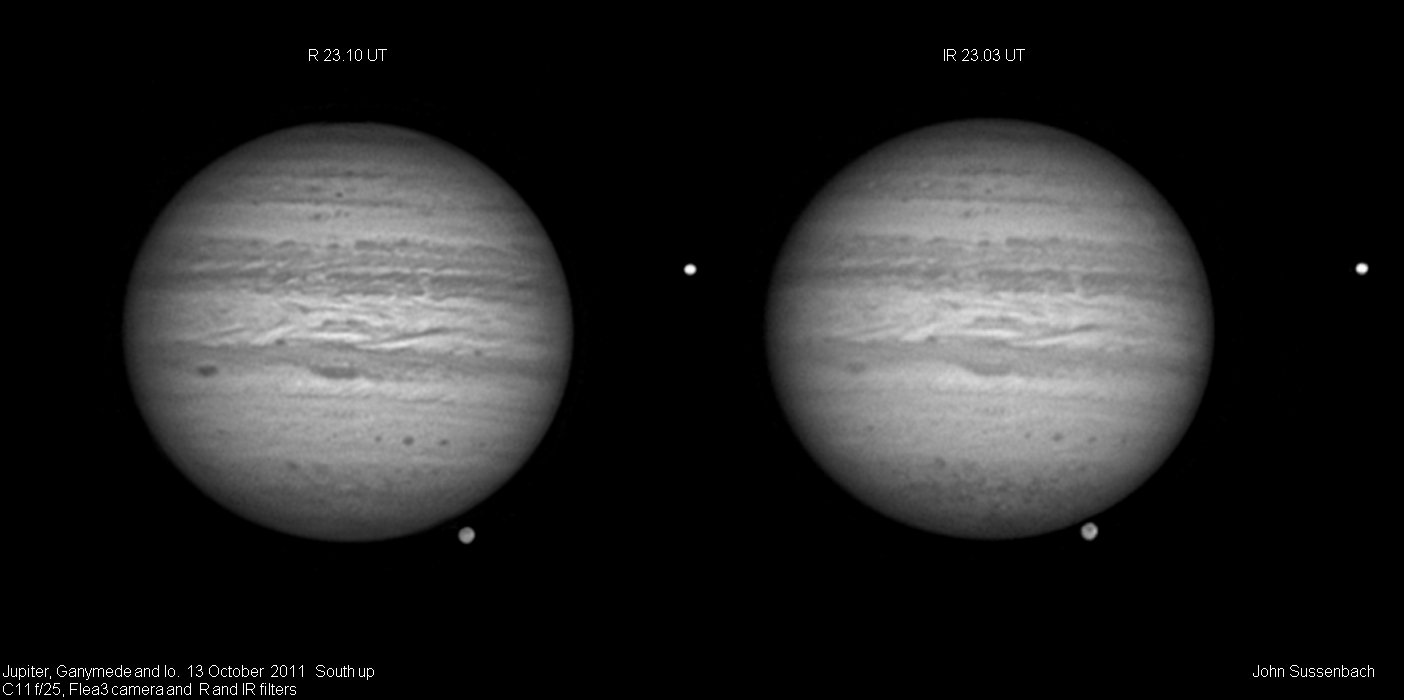
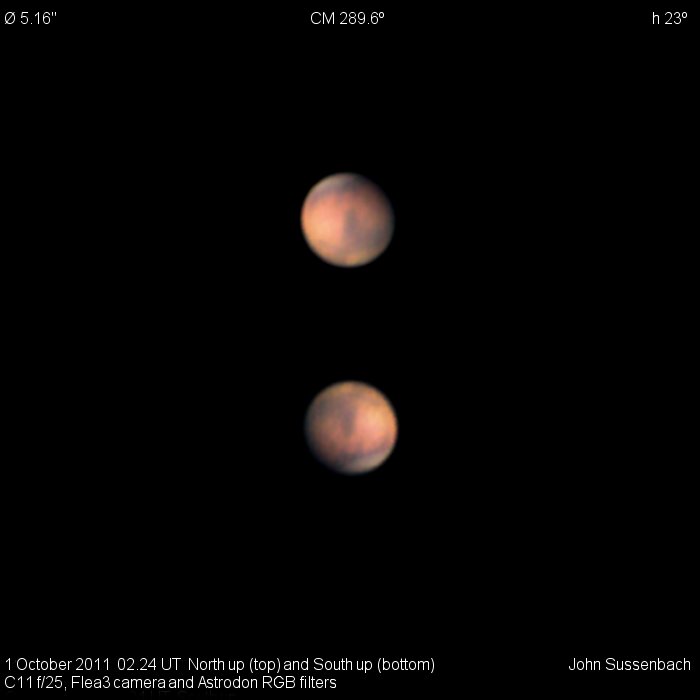
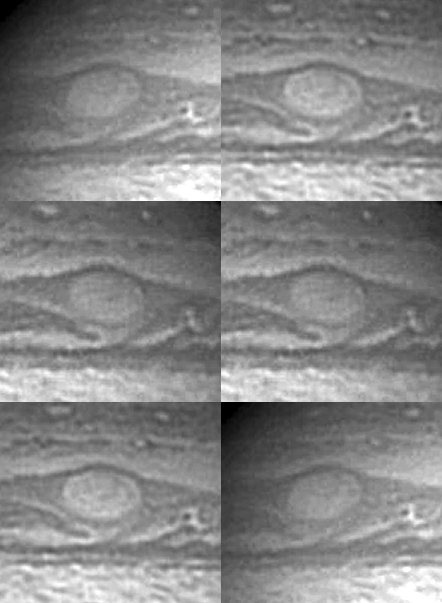
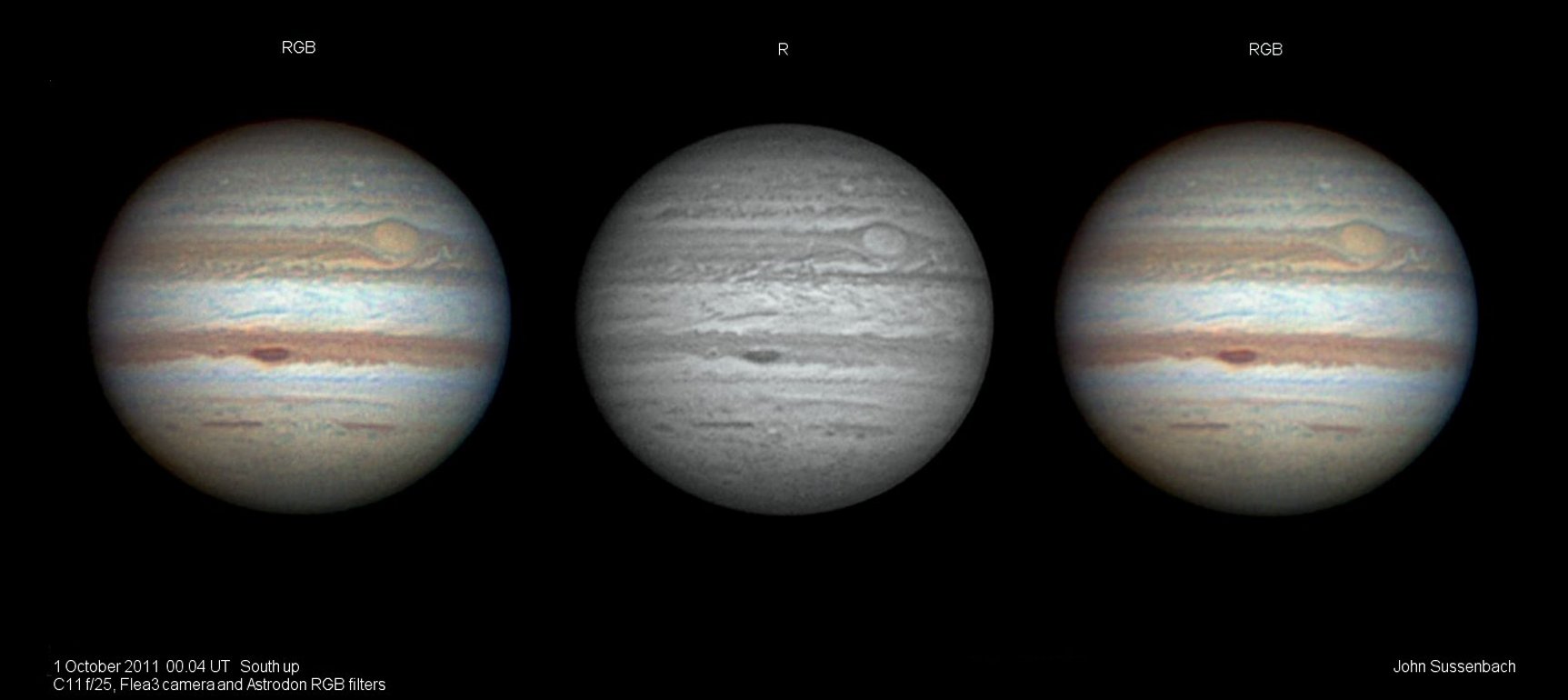
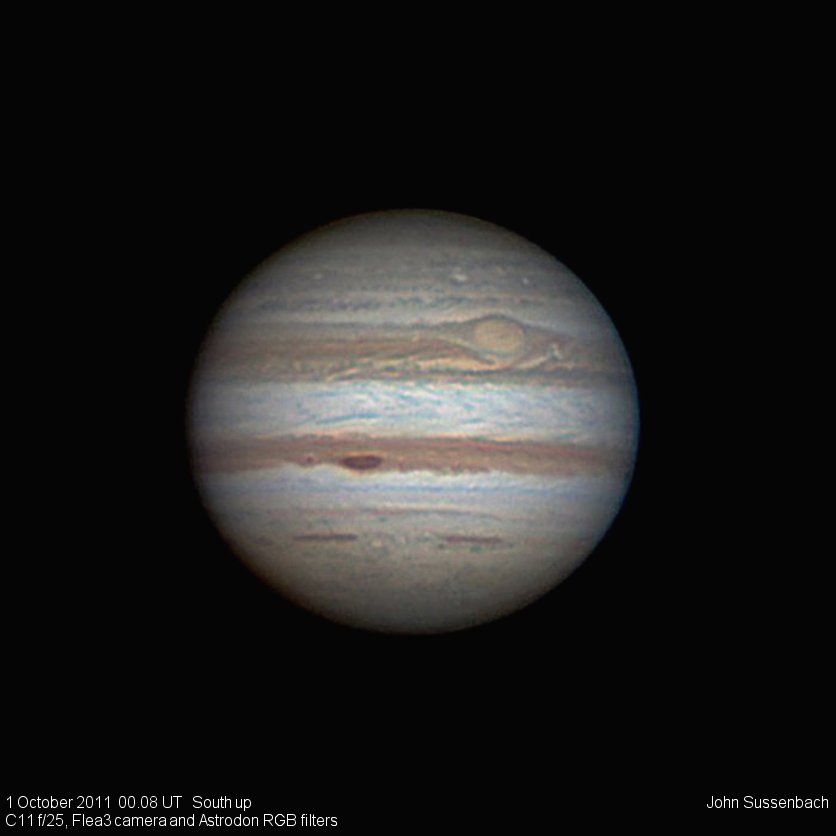
Saturn 3 January 2006.
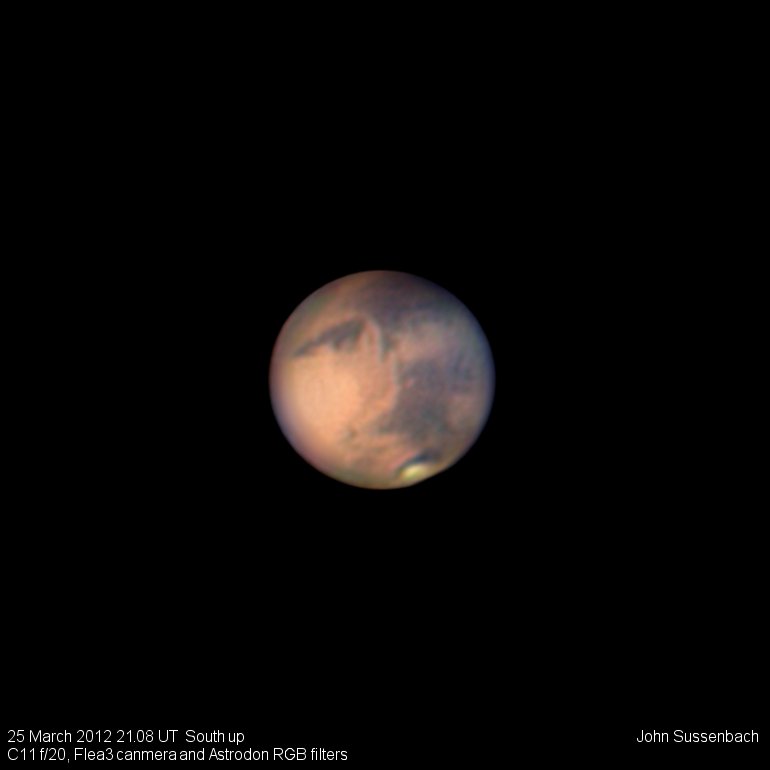
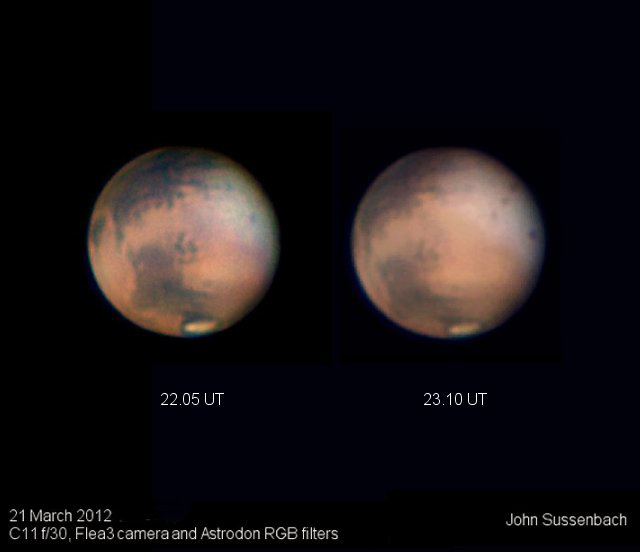
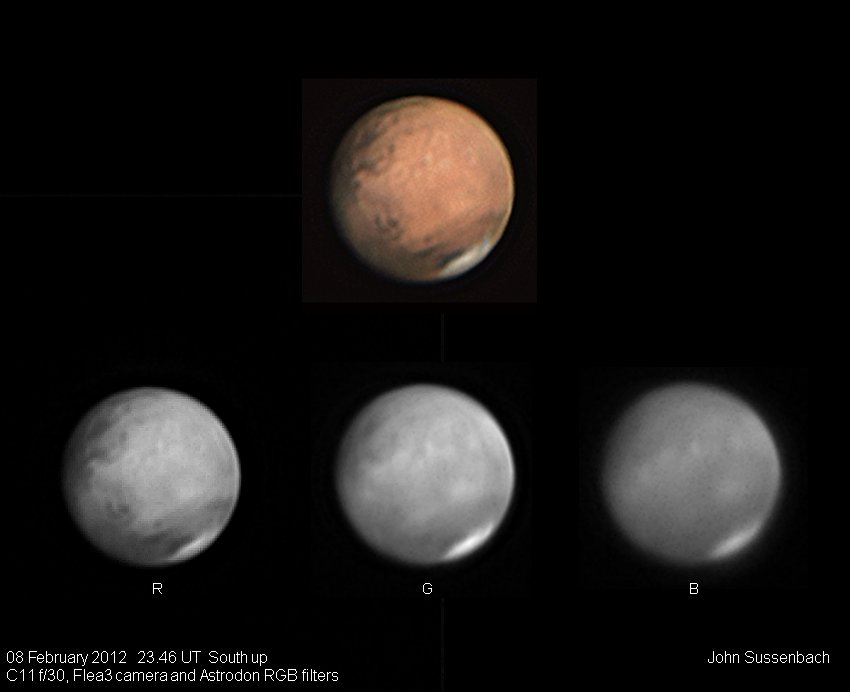
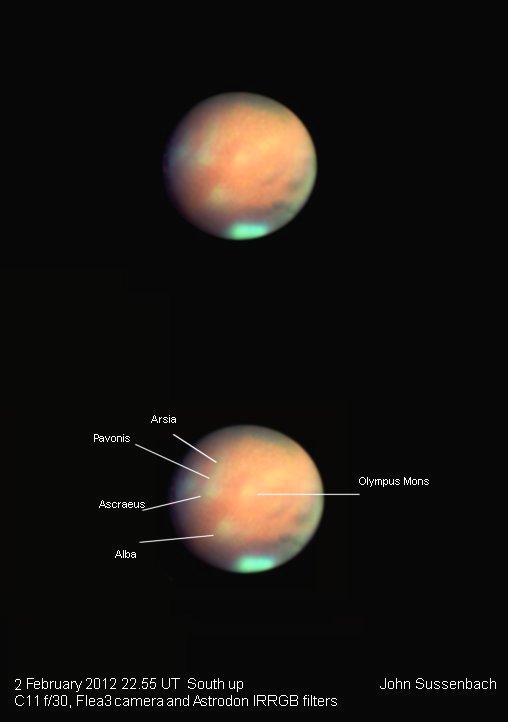
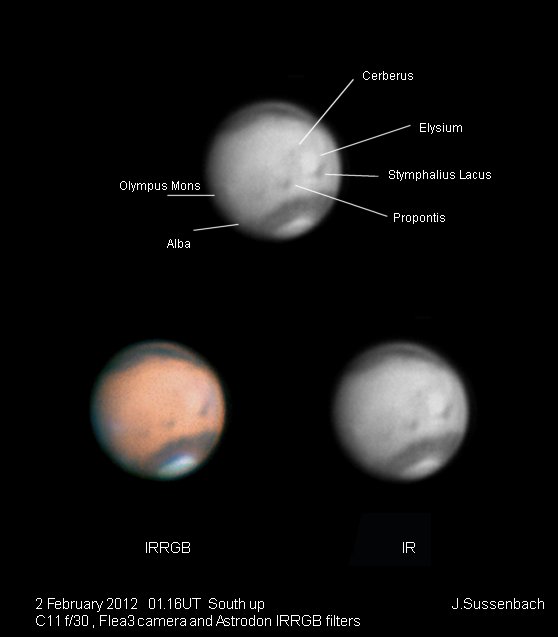
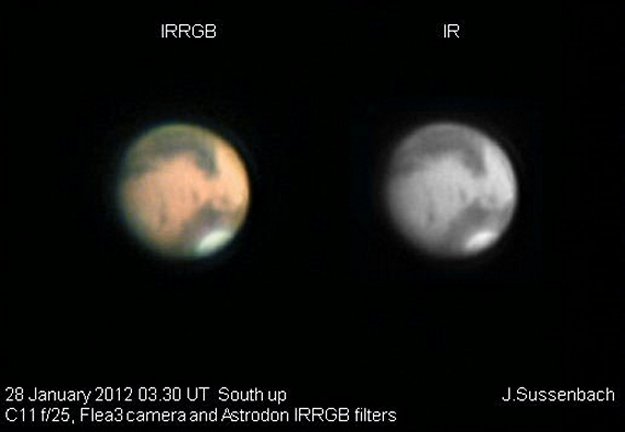
Mars 2 January 2006.
Saturn 29 December 2005.
Saturn 31 October 2005.
Mars 21 October 2005.
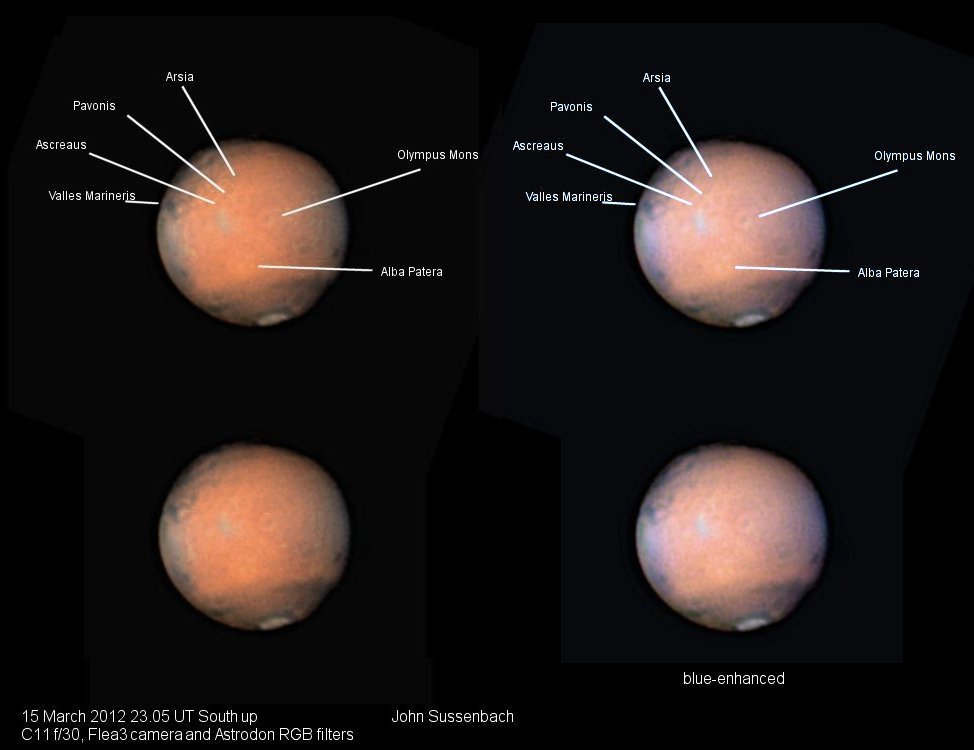
Mars 15 October 2005. There is a dust storm (see arrows) indicated in the left images. At the right an image of 7 September 2005 is shown with the same region indicated by an arrow. This storm developed into a major dust storm over Solis Lacus, which was invisible from Europe at that time."
Mars 15 October 2005."
Mars 15 October 2005.
Mars 6 October 2005. Diameter 18.6"
Images made with the Philips Toucam Pro webcam
Mars 6 October 2005. Diameter 18.6"
Images made with the Philips Toucam Pro webcam compared with an image of Ed Grafton
Mars 23 September 2005. Diameter 16.8"
Images made with the Philips Toucam Pro webcam
Mars 23 September 2005. Diameter 16.8"
Images made with the Philips Toucam Pro webcam
Mars 22 September 2005. Diameter 16.8"
Images made with the Philips Toucam Pro webcam
Mars 22 September 2005. Diameter 16.8"
Images made with the Philips Toucam Pro webcam
Mars 18 September 2005.
Images made with the Philips Toucam Pro webcam
Mars 13 September 2005. Diameter 15.5"
Images made with the Philips Toucam Pro and the ATK-2HS cameras
Mars 13 September 2005. Diameter 15.5"
Mars 7 September 2005. Diameter 14.8"
Mars 6 September 2005. Diameter 13.9"
Mars 30 August 2005. Diameter 13.9"
Mars 29 August 2005. Diameter 13.8"
Mars 24 August 2005. Diameter 13.3"
Mars 17 August 2005. Diameter 12.6"
Mars 13 August 2005. Diameter 12.3"
Mars 13 August 2005. Diameter 12"
Mars 6 August 2005.
Mars 6 August 2005. Diameter 11.4".
Mars 3 and 4 August 2005. Diameter 11.3".
Mars 3 August 2005. Diameter 11.3".
Mars 17 July 2005. Diameter 10.3". Best image until now in 2005 apparition.
Mars 17 July 2005. Diameter 10.3"
M57 on 12 July 2005
Mars 9 July 2005
Mars 8 July 2005
First Mars picture of 2005
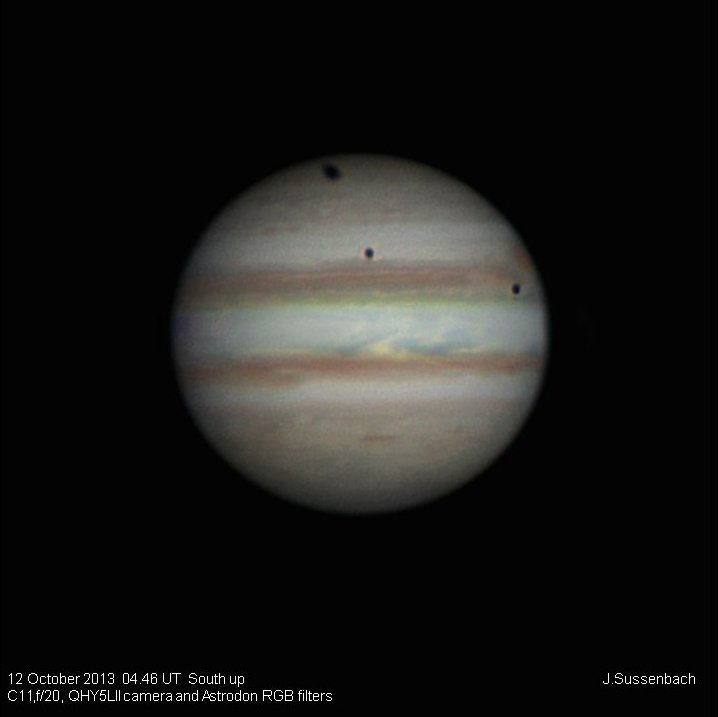
Jupiter with shadow of Ganymede on 22 June 2005
Jupiter on 19 June 2005
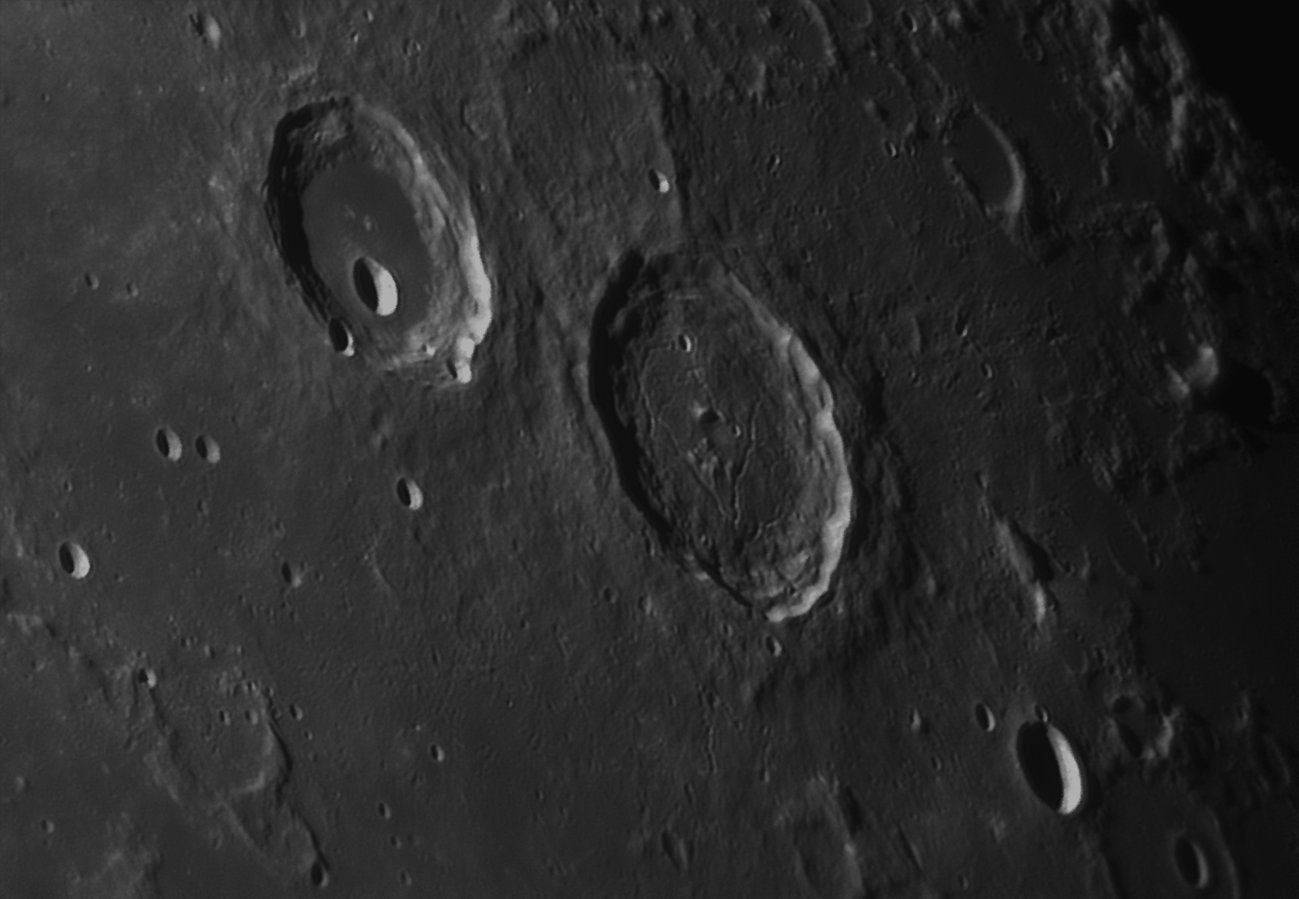
Maan on 14 June 2005 with Casio EX-Z750
Jupiter on 13 June 2005. Very poor seeing
Jupiter on 9 June 2005
Jupiter on 8 June 2005
Jupiter on 31 May 2005
M13
C5 with f/6.3 focal reducer and ATK 2HS camera (4 sec exposure and 30 images stacked))
M57
C5 with f/6.3 focal reducer and ATK 2HS camera (4 sec exposure and 30 images stacked))
Jupiter on 23 May 2005
Jupiter and Io on 11 April 2005
C11 SCT with 3x Barlow and Toucam Pro. Seeing 4/10.
Jupiter and Io on 11 April 2005
C11 SCT with 3x Barlow and Toucam Pro. Seeing 4/10. Details are visible of about 0.3".
Jupiter and Io on 11 April 2005
C11 SCT with 3x Barlow, ATK-2HS and a Baader IR pass filter plus 2x Barlow,Toucam Pro. Seeing 6/10. Details are visible of about 0.3".
Jupiter and Io on 11 April 2005
C11 SCT with 3x Barlow, ATK-2HS and a Baader IR pass filter plus 2x Barlow,Toucam Pro. Seeing 6/10. Details are visible of about 0.3".
hr>
Jupiter and Io on 11 April 2005
C11 SCT with 3x Barlow, ATK-2HS and a Baader IR pass filter.
Ganymede on 11 April 2005
C11 SCT with 3x Barlow, ATK-2HS and a Baader IR pass filter plus 3x Barlow, Toucam Pro. Seeing 4/10
Ganymede on 11 April 2005
C11 SCT with 3x Barlow, ATK-2HS and a Baader IR pass filter plus 3x Barlow, Toucam Pro. Seeing 6/10
Io on 11 April 2005
C11 SCT with 3x Barlow, ATK-2HS and a Baader IR pass filter plus 3x Barlow, Toucam Pro. Seeing 4/10
Jupiter and Io on 3 April 2005
C11 SCT with 2x Barlow, ATK-2HS and a Baader IR pass filter. Seeing 2-4/10
Jupiter on 15 March 2005
C11 SCT with 2x Barlow, anti-dispersion prism and a Baader IR pass filter. Seeing 3/10
The brightness of Iapetus (10.2) during Western elongation as established using different reference stars and moons
21 April, 2005, 20h26m UT made with a C5 plus focal reducer f/6.3 and an Atik 2HS camera.
To identify the satellites and stars move the cursor over the picture.
The brightness of Iapetus (11.8) during Eastern elongation as established using different reference stars
14 March, 2005, 22h25m UT made with a C5 plus focal reducer f/6.3 and an Atik 2HS camera.
To identify the satellites and stars move the cursor over the picture.
Comparison of the shadow of Saturn on the rings on February 6 and February 27, 2005
The central part of the Orion Nebula on 27 February 2005
The image is a made with a C11 and an ATK-2HS camera (top 1/25 sec and bottom 6 sec). Note the components E and F (11th magnitude in the Trapezium (top).
Saturnus on 27 February 2005 20h 09 m UT
C11 SCT with 3x Barlow. The image is a composite of an ATK-2HS b/w picture and a Toucam Pro colour picture. Seeing 5/10
Jupiter on 16 February 2005
C11 SCT with 2x Barlow and a Touvam Pro (l) or ATK-2HS camera (r).
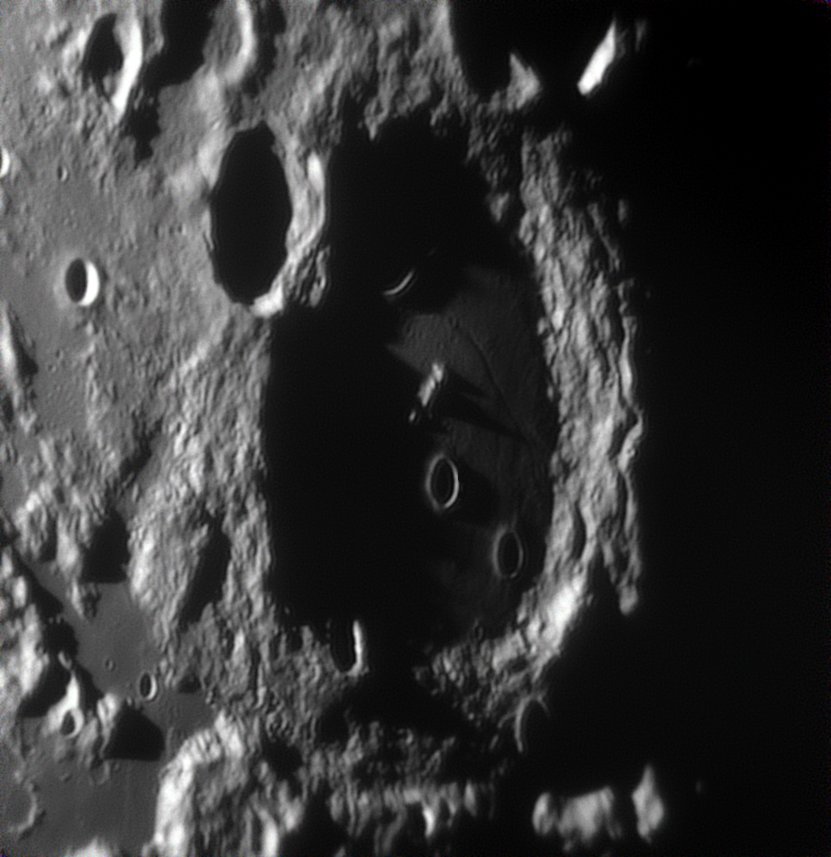
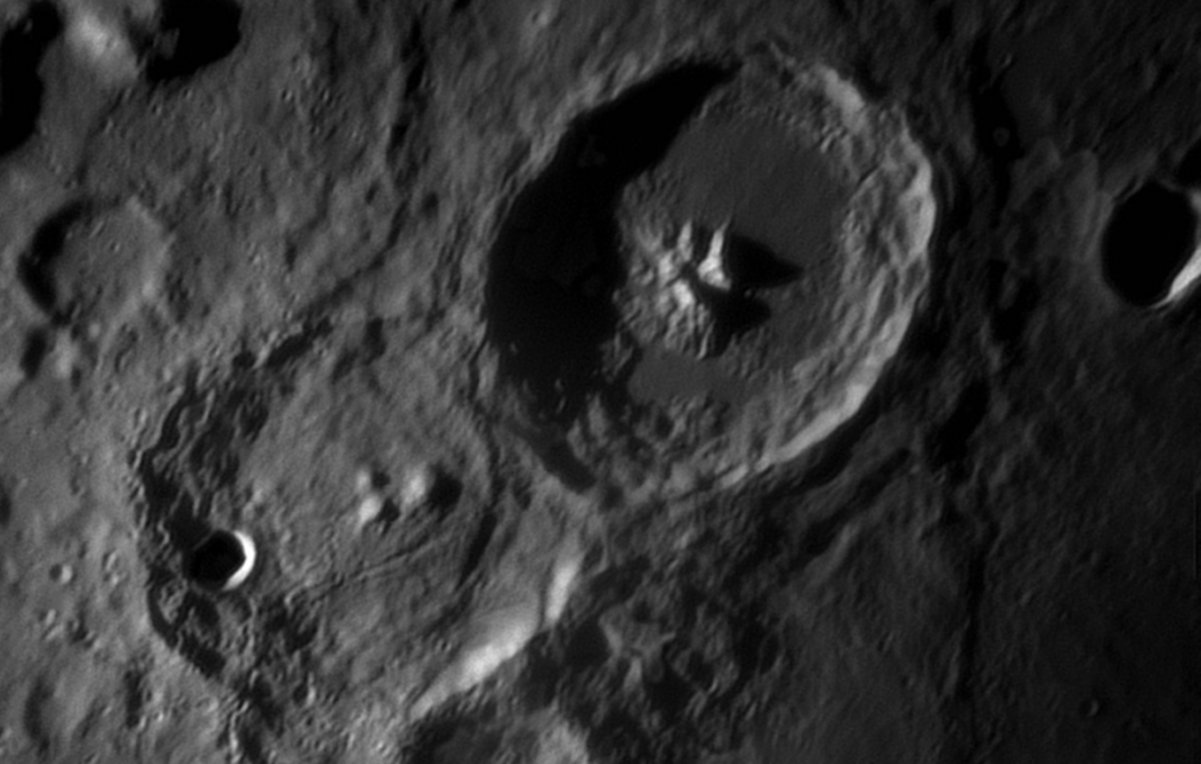
Bullialdus on 24 February 2005
C11 SCT with 3x Barlow and an ATK-2HS camera seeing 3/10.
Saturn on 6 February 2005 22h 26m UT
C11 SCT with 3x Barlow seeing 6/10. LRGB picture
Saturn on 6 February 2005 22h 26m UT
C11 SCT with 3x Barlow seeing 6/10. LRGB picture
Saturn on 6 February 2005 22h 26m UT
C11 SCT with 3x Barlow seeing 6/10. LRGB picture
Saturnus and 8 satellites
January 15, 2005. 21h23m UT, mosaic made with a C11 plus modfied Toucam Pro webcam.
To identify the satellites move the cursor over and outside the picture.
Saturnus and 8 satellites
January 15, 2005. mosaic made with a C11 plus modfied Toucam Pro webcam.
To identify the satellites move the cursor over and outside the picture.
Saturn on 13 January 2005 22h 08m UT
C11 SCT with 2x Barlow seeing 4/10. This was a few hours before the descent of the Huygens probe on Titan and the moment of opposition
Saturn on 13 January 2005 23h 03m UT and 23h 15m UT
C11 SCT with 3x Barlow seeing 4/10. This was a few hours before the descent of the Huygens probe on Titan and the moment of opposition
Saturn on 13 January 2005 23h 03m UT
C11 SCT with 3x Barlow seeing 4/10. This was a few hours before the descent of the Huygens probe on Titan and the moment of opposition
Saturn on 25 November 2004 1h 56m UT
C11 SCT with 3x Barlow seeing 5/10.
Saturn and 8 satellites on 13 January 2005 21h 55m UT
C11 SCT and modified Philips Toucam Pro seeing 4/10. This was a few hours before the descent of the Huygens probe on Titan
Saturn 10 December 2004 0h 30m UT C11 with 2 x Barlow and Philips Toucam Pro seeing 5/10
Note the faint C ring.
Saturn 25 November 2004 1h 10m UT C11 with 3 x Barlow and Philips Toucam Pro seeing 6/10
Note the faint C ring.
Saturn 25 November 2004 1h 0mUT with C11 and 3x Barlow and B/W chip in RAW mode seeing 6/10
Note hints of the Encke division.
Saturn 25 November 2004 0h 50m UT C11 with 3 x Barlow and Philips Toucam Pro seeing 6/10
.
Saturn 24 November 2004 1h UT C11 with 2 x Barlow and Philips Toucam Pro seeing 6/10
.
Saturn 24 November 2004 1h UT C11 with 2 x Barlow and Philips Toucam Pro seeing 6/10
.
Venus-Jupiter conjunction 5 November 2004 6h 16m UT with Philips Toucam Pro II
.
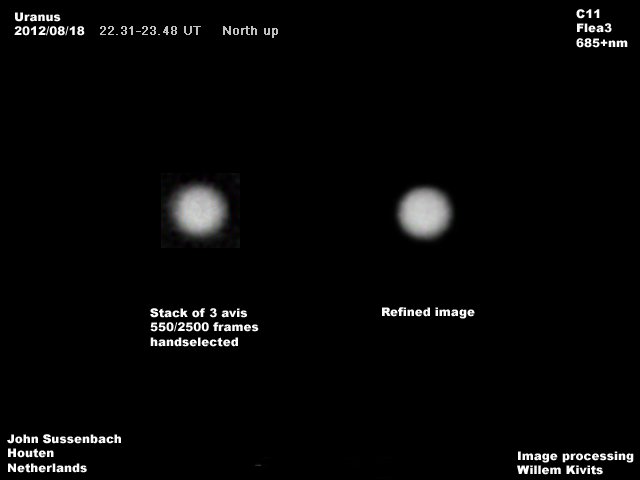
Uranus on 1 September 2004 with C11. Seeing 3/10
Uranus on 11 August 2004 and Neptune on 19 August 2004 with C11 and 2x Barlow. Seeing 5/10
Venus 14 August 2004 with C11 and Vesta Pro. Seeing 5/10
Uranus and satellites on11 August 2004 with C11 (composition)
Uranus on 11 August 2004 and Neptune on 19 August 2004 with C11 and 2x Barlow. Seeing 5/10
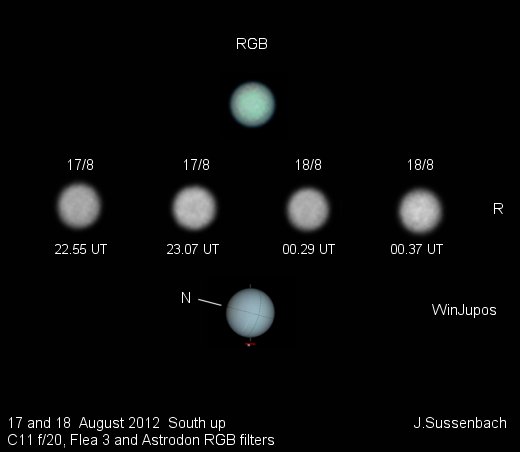
Uranus on 9 August 2004
Venus 31 July 2004
Uranus and satellites on July 27, 2004
Neptune and Triton 28 July 2004
Uranus and moons on 24 and 27 July 2004
Neptune on July 27, 2004. Note the background star Tyc 6346-01348-1
Seeing was 5/10.
400 stacked 1/25 sec exposures of Neptune were combined with 20 stacked exposures of 5 sec of Triton.
Venus on July 24, 2004
Seeing was 4/10.
Uranus on July 24, 2004
This composite consists of a picture of Uranus (600 frames of 1/25 sec with an unmodified Toucam Pro webcam) and its four major moons
(30 frames of 7sec. with a modified Toucam Pro webcam). Seeing was 5/10.
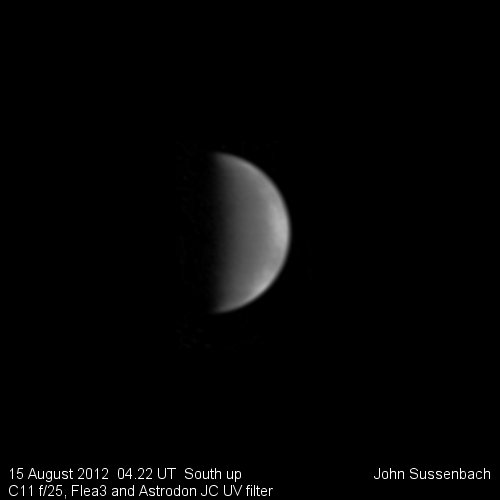
Venus on July 23, 2004
Images in white light (b) and UV light (a), (c-e). For the UV pictures a Baader UV filter was used (370 nm)
See legend for details. Seeing was poor. Hints of albedo differences are visible in the UV images.
3-D picture of Saturn, compilation of 5 October and 22 November 2003 images. Use red-green glasses. Start by looking at the edge of the globe
3-D picture of Jupiter with Great Red Spot, 17 February 2003. Use red-green glasses. Start by looking at the edge of the globe
3-D picture of Mars. Use red-green glasses. Start by looking at the edge of the globe
3-D picture of Jupiter. Use red-green glasses. Start by looking at the edge of the globe
Uranus and its moons
July 6, 2004
Venus Transit
June 8, 2004, with my C5 plus 6.3 focal reducer.
Venus Transit
June 8, 2004, with a C5 plus 6.3 focal reducer.
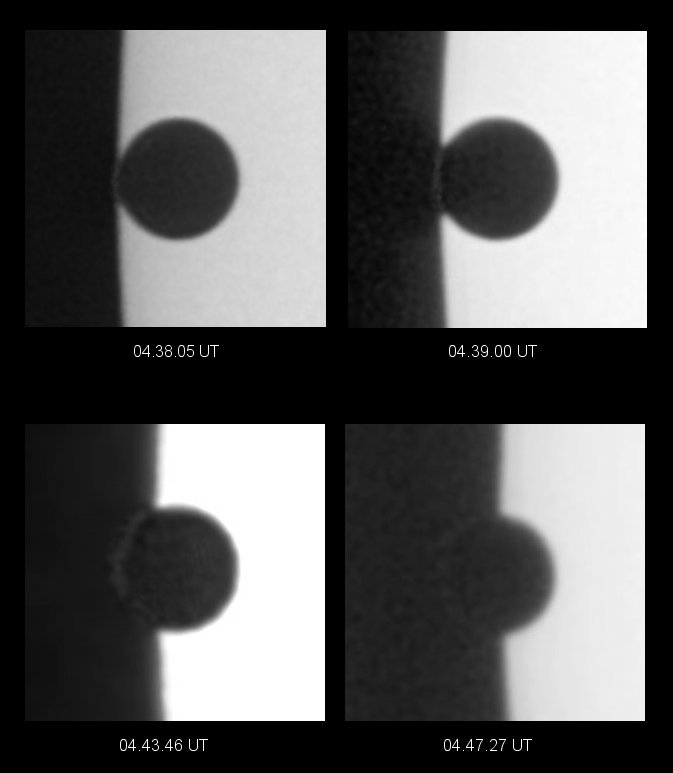
Venus Transit Animation June 8, 2004
First and second contact.
For a large animation (2 Mb, 380 x 370 pixels) click
here


Venus Transit
June 8, 2004, 07h 21m UT with my C5 plus 6.3 focal reducer.

Venus Transit
June 8, 2004, 08h 28m UT with my C5 plus 6.3 focal reducer.

Venus Transit
June 8, 2004, 10h 46m UT with my C5 plus 6.3 focal reducer.

Venus Transit
June 8, 2004, 09h 59m UT with my C5 plus 2x Barlow lens.

Venus Transit
June 8, 2004, 10h 02m UT with my C5 plus 2x Barlow lens.
Venus Transit
June 8, 2004, with a 400 mm lens and Mylar solar filter on 200 ISO Fujicolor (1/120 sec). .
Venus Transit June 8, 2004
in the primary focus of the C5 with a Thousands Oaks solar filter.
For processing with the Registax program the best 100 pictures were used
Venus Transit June 8, 2004
in the primary focus of the C5 with a Thousands Oaks solar filter.
For processing with the Registax program the best 100 pictures were used
Comparison of the sizes of Venus and Mercury during their transits.
using a C5 plus 6.3 focal reducer.
Venus
Exposures were made on different dates in 2002 and 2004, in the primary focus of the C11.
For processing with the Registax program the best 100 of 300 pictures were used
Venus on 23 May 2004
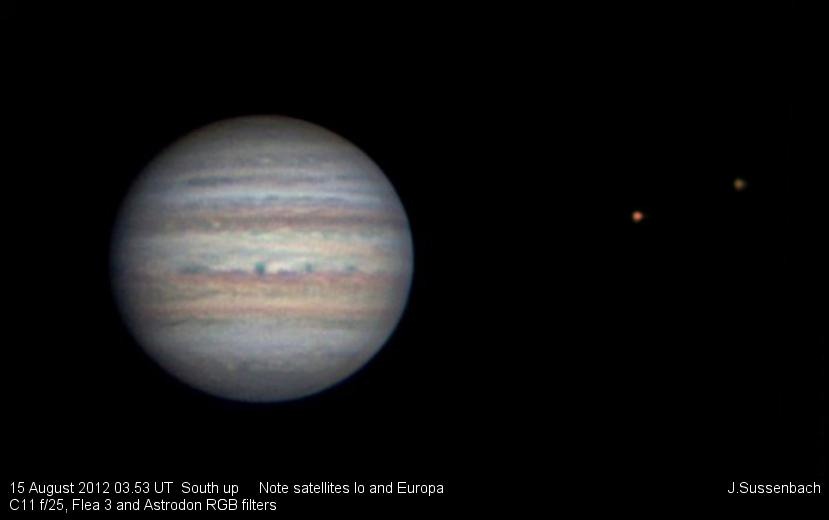
Best Jupiter
Resolution 0.3-0.4"
13 April, 2004
Jupiter on 13 April 2004
Jupiter on 9 April 2004 with Io and Europa
Jupiter on 9 April 2004 at different time points
Jupiter, March 25, 2004, 23h 20 min UT, C11 with 3x Barlow, seeing 4.5/10
Jupiter, March 24, 2004, C11 with 2x Barlow, seeing 4/10
Saturn, 25 January 2004, C11 with 2x Barlow
Saturn, 25 January 2004, C11 with 3x Barlow
Hints of the Encke Division
Saturn, 17 December 2003, 21h 47 m UT C11 with 3x Barlow
Jupiter,12 December 2003, 5h 35 m UT C11 with 2x Barlow, 600 frames stacked
First picture: Saturn
Exposure was made on December 30, 2001 with a C11 in the primary focus (2800 mm) with a Philips ToUcam Pro.
Exposure time 1/25 sec. Seeing: average to poor due to light overcast. For processing with the IRIS program the best 70 of 250 pictures were used
Processing included unsharp masking
First picture: Saturn
Exposure was made on December 30, 2001 with a C11 in the primary focus (2800 mm) with a Philips ToUcam Pro.
Exposure time 1/25 sec. Seeing: average to poor due to light overcast. For processing with the IRIS program the best 70 of 250 pictures were used
Processing included van Cittert deconvolution
First picture: Saturn
Exposure was made on December 30, 2001 with a C11 in the primary focus (2800 mm) with a Philips ToUcam Pro.
Exposure time 1/25 sec. Seeing: average to poor due to light overcast. For processing with the IRIS program the best 70 of 250 pictures were used
Processing included unsharp masking and van Cittert deconvolution
Note the faint inner crèpe ring (ring C) and the ball visible through the Cassini separation.
Saturn
Exposure was made on December 30, 2001 with a C11 in the primary focus (2800 mm) with a Philips ToUcam Pro.
Exposure time 1/25 sec. Seeing: average to poor due to light overcast. For processing with the IRIS program the best 90 of 460 pictures were used
Processing included unsharp masking and van Cittert deconvolution
Note the faint inner crèpe ring (ring C) and the ball visible through the Cassini separation.
Jupiter
Exposure was made on January 5 23.45 en 23.55 hour MET and January 6, 2002 at 00.07 hMET with a C11 in the primary focus (2800 mm) with a Philips ToUcam Pro.
The other moon is Callisto. Exposure time 1/25 sec. Seeing: average to poor due to light overcast. For processing with the IRIS program the best 40 of 200 pictures were used
Processing included unsharp masking and van Cittert deconvolution
Jupiter
Animation of Io passing Jupiter from January 5, 2002, 2303 h MET to January 6, 2002, 00.54 MET made with a C11 in the primary focus (2800 mm) with a Philips ToUcam Pro.
The other moon is Callisto. Notice the rotation of Jupiter and the Great Red Spot. Exposure time 1/25 sec. Seeing: average to poor due to light overcast. For processing with the IRIS program the best 40 of 200 pictures were used
Processing included unsharp masking and van Cittert deconvolution
Saturn
Exposure was made on February 15, 2002 with a C11 plus a 2 x Barlow lens (effective focal length 5600 mm) with a Philips ToUcam Pro.
Exposure time 1/25 sec. Seeing: average to poor. For processing with the IRIS program the best 50 of 290 pictures were used
Processing included wavelet analysis and van Cittert deconvolution(upper)
Also the single best crude picture of the series is shown, which has not undergone any processing (lower)
Jupiter
Exposure was made on February 15, 2002, 21h 10m with a C11 plus a 2 x Barlow lens (effective focal length 5600 mm) with a Philips ToUcam Pro.
Exposure time 1/25 sec. Seeing: average to poor. For processing with the IRIS program the best 30 of 150 pictures were used
Processing included wavelet analysis and van Cittert deconvolution (upper)
Also the single best crude picture of the series is shown, which has not undergone any processing (lower)
Jupiter
Exposure was made on February 16, 2002, 19h 35m(up) and 19.50 (down) with a C11 plus a 2 x Barlow lens (effective focal length 5600 mm) with a Philips ToUcam Pro.
Shadow of Callisto and Moon Ganymede. Notice that Oval BA is passing the Great Red Spot. Exposure time 1/25 sec. Seeing: poor. For processing with the IRIS program the best 30 of 150 pictures were used
Processing included wavelet analysis and van Cittert deconvolution
Jupiter
Exposure was made on February 17, 2002 with a C11 plus a 2 x Barlow lens (effective focal length 5600 mm) with a Philips ToUcam Pro.
Exposure time 1/25 sec. Seeing: average to poor. For processing with the IRIS program the best 30 of 150 pictures were used
Processing included wavelet analysis
Saturn
Exposure was made on February 17, 2002, with a C11 plus a 2 x Barlow lens (effective focal length 5600 mm) with a Philips ToUcam Pro.
Exposure time 1/25 sec. Seeing: average to poor. For processing with the IRIS program the best 50 of 300 pictures were used
Processing included unsharp masking and van Cittert deconvolution
Saturn
Exposure was made on March 1, 2002, with a C11 plus a 2 x Barlow lens (effective focal length 5600 mm) with a Philips ToUcam Pro.
Exposure time 1/25 sec. Seeing: average to poor. For processing with the IRIS program the best 60 of 600 pictures were used
Processing included wavelet analysis and van Cittert deconvolution (upper)
Jupiter Animation
Exposure was made on March 1, 2002, from 20h45m to 22h35m MET (10 min intervals) with a C11 plus a 2 x Barlow lens (effective focal length 5600 mm) with a Philips ToUcam Pro.
Exposure time 1/25 sec. Seeing: poor. For processing with the IRIS program the best 30 of 150 pictures were used
Processing included wavelet analysis and van Cittert deconvolution
Venus
Venus
Venus
Uranus
Neptune
Eight Saturn moons
Saturn
Saturn
Saturn
Saturn
Saturn
Saturn
Jupiter
Jupiter
Jupiter
Saturn
May 7,2003 Mercury movie (1) (272 Kb, short version)
May 7,2003 Mercury movie (2) (1.2Mb, best quality)
May 7,2003 Mercury movie (3) (500Kb, lower quality)
PICTURES MERCURY Transit May 7,2003
Exposure was made on May 31, 2002, 19h40m MEZT with a C11 plus a 2x Televue Barlow lens (effective focal length 5600 mm) with a Philips ToUcam Pro.
Exposure time 1/1500 sec. Seeing: poor. For processing with the Registax program the best 20 of 150 pictures were used
Diameter Venus 12.9"; phase 81.6%; the Sun was 17º above the horizon
Exposures were made on May 31 (left) and July 15, 2002 (right), with a C11 plus a 2x Televue Barlow lens (effective focal length 5600 mm)(left) and in the primary focus of the C11 plus a Meade 4000 blue filter # 47 (right).
For processing with the Registax program the best 20 of 150 pictures were used
May 31, 2002: Diameter Venus 12.9"; phase 81.6%
July 15, 2002: Diameter Venus17.1" ;phase 66.1%
Exposures were made on different dates in 2002, in the primary focus of the C11.
For processing with the Registax program the best 100 of 300 pictures were used
Exposure was made on September 12, 2002, with the C11 and a 2 x Barlow lens.
For processing of the planet with the Registax and IRIS programs the best 100 of 300 pictures were used. For the moons 50 pictures were made with a modified Toucam Pro
Exposure was made on September 13, 2002, with the C11 and a 2 x Barlow lens.
For processing with the Registax and IRIS programs the best 100 of 300 pictures were used. For the moons 50 pictures were made with a modified Toucam Pro and processed with the K3CCD Tools program
Exposure was made on September 30, 2002, with the C11 in primary focus with a SC modified Toucam Pro.
For processing the K3CCD Tools was used. Seeing was good. Mosaic with a normal picture of Saturn
Exposure was made on October 5, 2002, with the C11 and a 2 x Barlow lens.
For processing with the Registax and IRIS programs the best 270 of 540 pictures were used. Seeing was good. Best picture of Saturn until now
Exposure was made on October 7, 2002, with the C11 and a modified ToUCam SC webcam to catch the moons. The overexposed Saturn was replaced by a short exposure image of Saturn. Eight of the nine classical moons are visible. M=Mimas,E=Enceladus, D=Dione, T=Thetys, R=Rhea, Ti=Titan, J=Iapetus and H=Hyperion
Exposures were made on November 5, 2002, 23.54 MET (green) and November 6, 2002 1.24 MET (red)with the C11 and a modified Toucam SC to catch the moons. There is a 1 1/2 hour time span between the green and the red images The overexposed Saturn was replaced by a short exposure of the planet.
Exposures were made on October 5, 2002, November 6, and November 22, 2002 with the C11 and a 2 x Barlow lens.
For processing with the Registax and IRIS programs the best 270 of 540 pictures were used. Note the change of the shadow.
Animation of the Saturnian shadow.
Exposures were made on October 5, 2002, November 6, 2002, and November 22, with the C11 and a 2 x Barlow lens.
For processing with the Registax and IRIS programs the best 270 of 540 pictures were used. Note the change of the shadow.
Reprocessaing of an exposure made on October 5, 2002 with the C11 and a 2 x Barlow lens.
For processing with the Registax and IRIS programs the best 300 of 1000 pictures were used.
Exposure made on December 3, 2002, 2h05 UT with the C11 and a 2 x Barlow lens.
For processing with the Registax and IRIS programs the best 300 of 1000 pictures were used.
Exposure made on January 5, 2003with the C11 and a 2 x Barlow lens.
For processing with the Registax and IRIS programs the best 300 of 1000 pictures were used.
Exposure made on January 10, 2003, 20h49 UT with the C11 and a 2 x Barlow lens.
For processing with the Registax and IRIS programs the best 300 of 1000 pictures were used.


21 February 2003. An animation of the transit of Ganymede and its shadow (last part)
27 February 2003 19h45m UT. 2400 pictures made with a C11 plus 2x Barlow and a
Philips Toucam Pro webcam.149 pictures stacked after processing with Registax and IRIS. Seeing very moderate.
Partial Eclipse of Callisto (left) by Ganymede (right)
March 15, 2003 from 22h08m -22h22m UT. C11 and 2 x Barlow plus Toucam Pro.
30 sec exposures with 15 sec intervals. Best 100 of 300 processed with Registax. Seeing 7/10
Note that the Northern part of Callisto is eclipsed, while Ganymede is moving slowly to the right
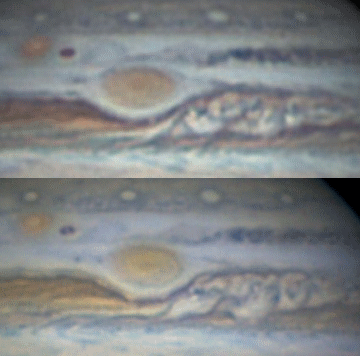
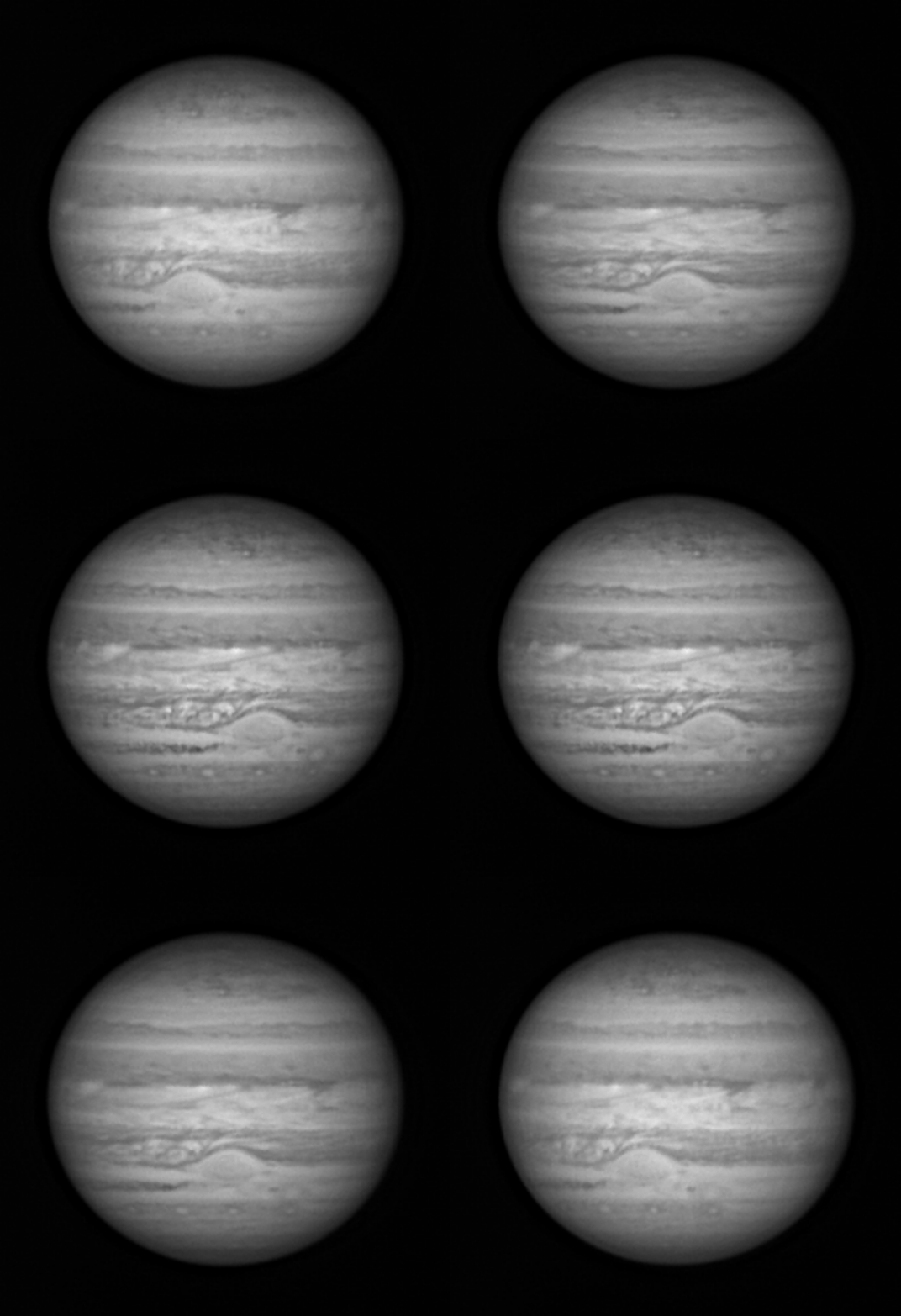
Changes in the region encompassing the Great Red Spot over a period of almost 2 months
Saturn, 12 November 2003, 1h 03 m UT
C11 with 2x Barlow. Seeing 5/10, best 500 of 2400 frames processed and stacked
First Saturn of the new winter season. 7 November 2003, 1h 47 m UT
C11 with 2x Barlow. Seeing 3/10, best 500 of 2400 frames processed and stacked
Giant Sun spots 10486 and 10488
28 October, 2003. UT 13h 20m C11 and 0.6x focal reducer plus Toucam Pro.
Giant Sunspot 10488
28 October, 2003. 13h 43m C11 and 2 x Barlow plus Toucam Pro.
Giant Sun spot 10486
28 October, 2003. 13h 17 m C11 and 2 x Barlow plus Toucam Pro.
Partial Solar Eclipse
May 31, 2003. C5 with 6.3 focal reducer. Film Konica VX 100. Moderate seeing
Partial Solar Eclipse
May 31, 2003. C5 with 6.3 focal reducer. Film Konica VX 100. Moderate seeing
Partial Solar Eclipse
May 31, 2003. C5 with 6.3 focal reducer. Film Konica VX 100. Moderate seeing
Partial Solar Eclipse
May 31, 2003. C5 with 6.3 focal reducer. Film Konica VX 100. Moderate seeing\
Partial Solar Eclipse
May 31, 2003. C5 with 6.3 focal reducer. Film Konica VX 100. Moderate seeing
Partial Solar Eclipse
May 31, 2003. C5 with 6.3 focal reducer. Film Konica VX 100. Moderate seeing
Partial Solar Eclipse May 31, 2003. Photo by my son-in-law Gert-Jan van der Tuuk. Digital Nikon D 100 camera